Nigeria: Over the past year, Kano State's Film and Video Censorship Board has emerged as one of West Africa's most assertive cultural regulators. In May 2025, it suspended 22 popular Hausa-language drama series including Labarina and Dadin Kowa, barring all broadcast and streaming. The Board also banned singer Usman "Sojaboy" and actresses Shamsiyya Muhammad and Samha Inuwa on moral grounds, while closing eight entertainment centres and restricting Islamic musical debates. These actions reveal how sub-national authorities reshape artistic ecosystems through enforcement of Sharia-aligned cultural policy—while clashing with Nigeria's federal broadcasting regulator.
“She Leads” is more than a development project—it’s a narrative exploration. The initiative empowers girls and young women across Ghana to rewrite societal stories around gender and leadership. Through collaborative storytelling, community engagement, and institutional advocacy, “She Leads” challenges entrenched norms and fosters a new era of inclusive leadership. This is a bold step toward transforming Ghana’s gender narrative for lasting change.
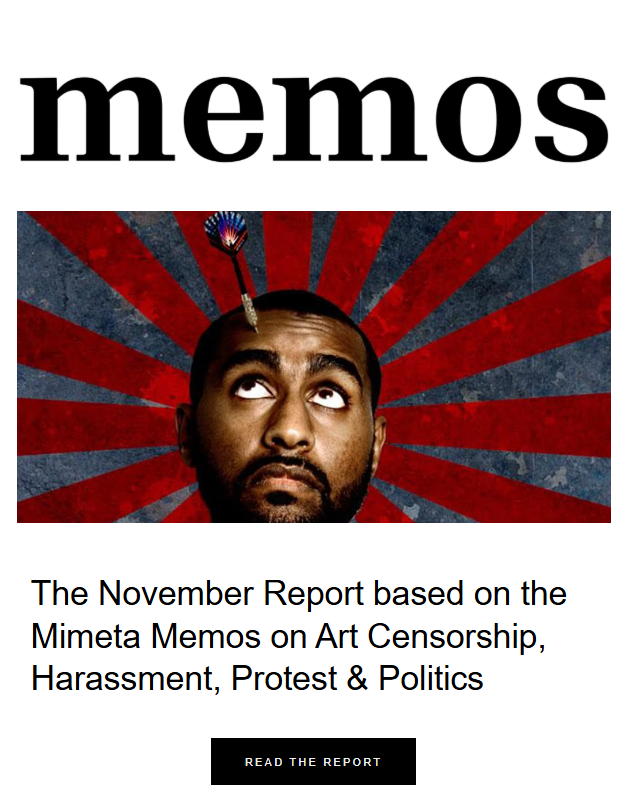
Omoyele Sowore’s critique of Nigeria’s legal system highlights deep-rooted judicial complicity in political repression. His prolonged persecution, despite multiple court orders, exemplifies how compromised courts and prosecutors fuel civil unrest. The 2024 #EndBadGovernance protests revived calls for judicial reform, as state-sanctioned crackdowns and unjust detentions revealed systemic failures. Without legal accountability, Nigeria risks repeating cycles of unrest and brutal suppression.