News from Civsy, based on generative AI tools and retrieval-augumented real time data search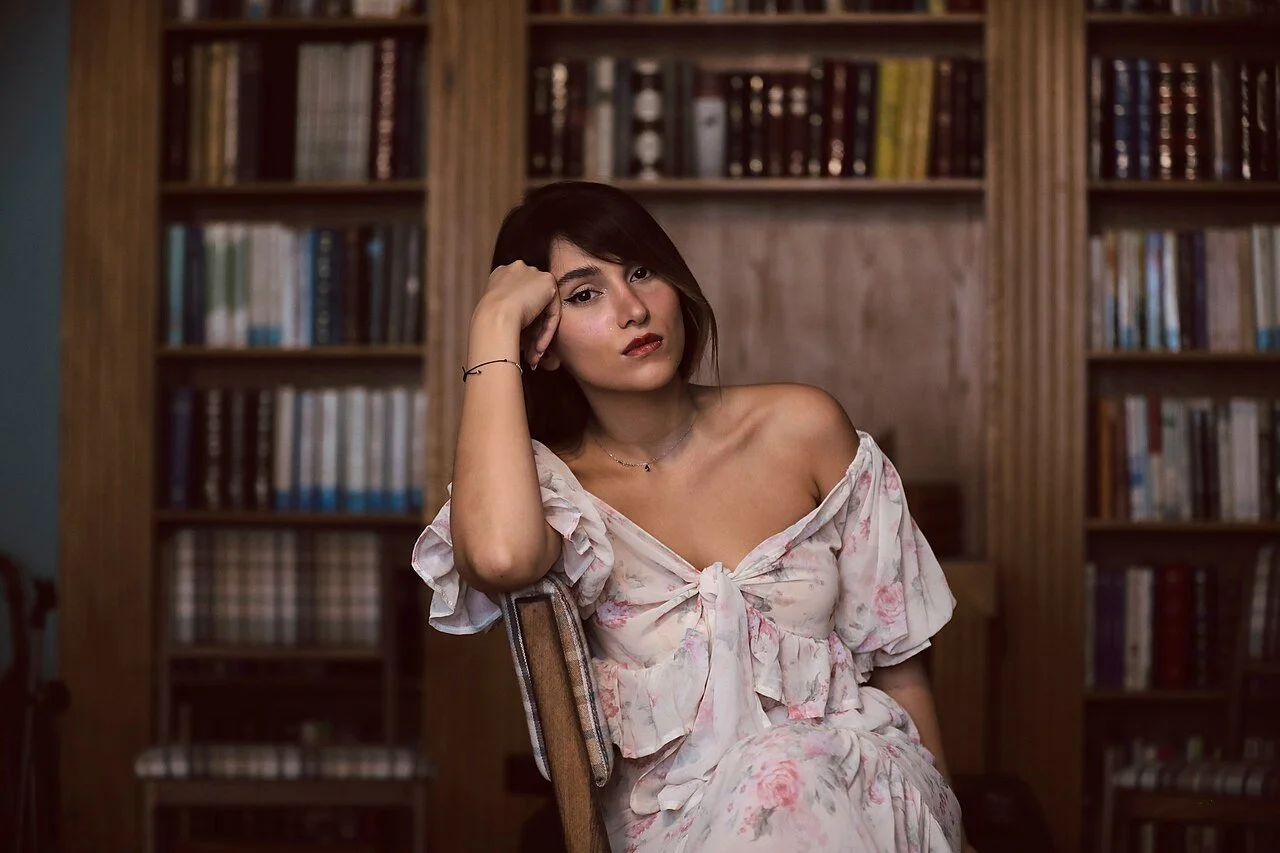
Parastoo Ahmadi. Creative Commons
In December 2024, 27‑year‑old Iranian singer and composer Parastoo Ahmadi transformed a historic caravanserai into the site of a bold act of cultural defiance by staging and live‑streaming a full‑length concert without any audience present. She performed for 27 minutes in a sleeveless black dress with her hair uncovered, accompanied on stage by three male musicians, and broadcast the entire show on YouTube under the title of an “imaginary concert,” accessible mainly to Iranians via VPNs due to state blocking of the platform. By carefully staging a professional concert experience in an otherwise empty venue and sending it directly into people’s phones and laptops, Ahmadi used the virtual stage to claim a public space that women singers are effectively denied inside Iran.
Ahmadi is part of a new generation of women artists who have built their profiles online, sharing videos and songs that resonate with the “Woman, Life, Freedom” movement and often appearing without mandatory hijab in digital spaces even as they remain barred from many official cultural venues. Her caravanserai performance went a step further than previous posts, presenting a full concert set with lighting, staging and a live‑show structure, making it difficult for authorities to dismiss it as a casual upload or informal gathering.
Challenging hijab and music bans
The concert directly confronted two central pillars of Iran’s cultural control system: compulsory hijab in public and longstanding restrictions on women singing solo before mixed audiences. For decades, women vocalists in the Islamic Republic have been effectively limited to performing for all‑female audiences, contributing as backing singers, or releasing recordings under tight supervision, with public mixed‑gender concerts and broadcast performances often blocked or heavily censored. By appearing unveiled, showing bare arms and loose hair on stage, and singing as the lead vocalist accompanied by male musicians, Ahmadi turned her body, voice and presence into a direct challenge to this architecture of gendered censorship.
The decision to frame the event as an “imaginary concert” underscored both its symbolic and legal ambiguity. There was no ticketing, no in‑person audience and no official venue license in the conventional sense, yet viewers experienced the performance as a real concert through the livestream and subsequent video. This hybrid format, part protest, part artistic experiment, tested the boundaries between private recording session, online content and public performance at a moment when authorities increasingly treat all online expression as subject to the same rules as physical gatherings.
Viral reach and public reaction
Despite YouTube being blocked in Iran, the performance spread quickly through VPN‑assisted viewing and reposted clips on Instagram and other platforms, drawing large view counts and generating intense debate. Many viewers and women’s rights advocates hailed the concert as historic, celebrating Ahmadi’s decision to sing unveiled in a heritage site as an act of dignity and refusal in the face of compulsory dress codes and gender segregation in cultural life.
Supporters emphasized the carefully composed, non‑violent nature of the action: a young woman singing traditional and contemporary pieces in a culturally significant setting, addressing the camera as if speaking to people she loves and to a homeland she describes with evident affection. For them, the concert embodied the message that women’s artistic presence is itself part of Iran’s cultural heritage, not a threat to it, and that digital spaces can be used to re‑imagine what a public performance looks like under repression.
Judicial backlash within 24 hours
The state’s response was swift. Within 24 hours of the livestream, the judiciary’s official channels announced that legal proceedings had been opened against “a group led by a female singer” over an online concert said to violate legal and cultural norms, a formulation widely understood to refer to Ahmadi and her team. Officials claimed the performance amounted to an unauthorized concert that failed to respect hijab rules and religious standards, signaling that even digitally staged events without physical audiences are now being classified as punishable public performances.
Reports indicate that authorities are targeting not only Ahmadi herself but also the production crew and musicians involved, framing the case as a collective breach rather than an individual act of disobedience. This approach mirrors a broader trend in Iran of criminalizing artistic collaboration—especially mixed‑gender ensembles and recording teams—under the rubric of morality, public order or national security offences, with artists, technicians and venue owners all exposed to risk.
Significance for artistic freedom
Ahmadi’s “imaginary concert” comes in the aftermath of the “Woman, Life, Freedom” protests, at a time when women and artists face heightened surveillance, arrests and prosecutions for refusing compulsory hijab, producing politically tinged work or simply insisting on a visible cultural presence. The decision to open a case after a single livestream underscores how gender discrimination, regulation of online space and censorship of music have fused into a single system of enforcement, in which a young woman singing alone on a virtual stage can trigger the full weight of judicial scrutiny.
For artistic freedom, the case is emblematic of current pressures on Iranian artists: the criminalization of women’s voices, the shrinking of both physical and digital stages, and the extension of concert licensing and morality rules into every corner of online cultural life. At the same time, the reach and resonance of Ahmadi’s performance highlight how artists continue to test the boundaries of control, using heritage sites, digital tools and collective imagination to assert their right to create and to be seen and heard.
In Iran, a 27‑year‑old singer has turned a historic caravanserai into a digital stage of resistance.
Parastoo Ahmadi live‑streamed a 27‑minute “imaginary concert” on YouTube, performing in a sleeveless dress with uncovered hair, accompanied by three male musicians and no physical audience. By treating a virtual space as a public stage, she directly confronted compulsory hijab rules and longstanding bans on women singing publicly.
Within 24 hours of the broadcast, Iran’s judiciary announced legal proceedings against her and the team behind the performance. A single online concert is now being treated as an unauthorized, punishable public event.
This case encapsulates the fusion of gender discrimination, digital control and music censorship in today’s Iranm and shows how artists continue to use online tools, heritage spaces and imagination to reclaim visibility.
#ArtisticFreedom #WomensRights #Iran #FreedomOfExpression #HumanRights #DigitalRights #MimetaMemos #ArtistsAtRisk #Censorship #WomanLifeFreedom