News from Civsy, based on generative AI tools and retrieval-augumented real time data search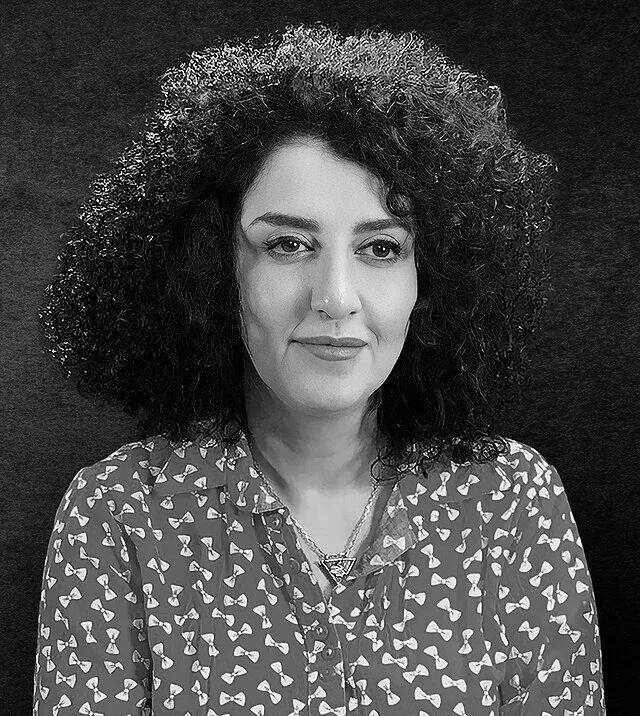
Egyptian actor and singer Mohamed Ramadan. Creative Commons
Narges Mohammadi is an Iranian physicist‑turned‑engineer, journalist, and one of the country’s most prominent human rights defenders and feminist activists. As vice‑president and spokesperson of Shirin Ebadi’s banned Defenders of Human Rights Center, she has led campaigns against the death penalty, solitary confinement, and the oppression of women, earning the 2023 Nobel Peace Prize for her struggle for “human rights and freedom for all.”
Narges Mohammadi remains in custody following her violent arrest at the Mashhad memorial, has been hospitalized twice for serious head and neck injuries from beatings, and is now facing a new security case including an accusation of “cooperation with Israel.” Her condition is described by family and supporters as unwell and worrying, and there is no indication that she or the other detained activists have been released as of mid‑December 2025.
What happened in Mashhad
On 12 December 2025, plainclothes security forces violently disrupted the seventh‑day memorial ceremony in Mashhad for human rights lawyer Khosro Alikordi, who had died days earlier under suspicious circumstances. Mohammadi, who spoke briefly outside the mosque after access was blocked, was among at least several dozen people arrested, alongside other human rights defenders and civil society figures.
Eyewitness accounts gathered by rights groups describe security forces blocking streets around the Ghadir Mosque, beating mourners, and dragging Mohammadi and other activists away as the crowd chanted slogans demanding accountability for Alikordi’s death. Iranian authorities later said 39 people were detained for “disturbing public order” and “norm‑breaking slogans.”
Violence, medical treatment, and current health
In her first brief phone call to family after several days of incommunicado detention, Mohammadi reported “severe and repeated baton blows” to her head and neck by plainclothes agents during the arrest. According to her family and the Narges Foundation, she was taken to a hospital emergency room twice following these assaults and sounded physically unwell during the call.
Relatives and supporters stress that Mohammadi has serious pre‑existing health problems, including heart issues and a bone lesion that required surgery during her earlier imprisonment, and warn that renewed detention and ill‑treatment could rapidly worsen her condition. Despite this, she has reportedly been returned to detention after emergency treatment rather than being kept under independent medical care.
Charges and political framing
Mohammadi told her family she has been accused by interrogators of “cooperation with the State of Israel” and was threatened with death, an escalation from earlier national‑security charges used against her activism. The Mashhad prosecutor has framed the case as incitement and disruption of public order at a religious ceremony, while state‑aligned narratives tie her actions to foreign “enemy” influence.
Rights groups note that such accusations fit a broader pattern of Iranian authorities branding independent human rights work, including documentation of abuses, as collaboration with hostile states, which can carry extremely heavy sentences and further restrict access to legal and medical safeguards.
Wider crackdown on rights
The same operation swept up multiple other well‑known activists, including women’s rights defender Sepideh Gholian and photojournalist and women’s rights activist Alieh (Aliyeh) Motalebzadeh, among others, who were reportedly subjected to similar violence during their arrest. Reports indicate that additional civil and political activists who traveled to Mashhad were intimidated or stopped from speaking, and at least one lawyer relative of the deceased, Javad Alikordi, was later arrested separately after publicly criticizing the authorities.
International free‑expression, human rights, and press‑freedom organizations, as well as the Norwegian Nobel Committee, have condemned the “brutal” and “violent” arrest, called for Mohammadi’s immediate and unconditional release, and linked the case to an intensified crackdown on journalists, cultural workers, and rights defenders in Iran.
Nobel Peace Prize laureate Narges Mohammadi remains in detention following a violent arrest at a memorial in Mashhad. She has reportedly been beaten, hospitalized twice for head and neck injuries, and returned to custody despite serious health risks. Authorities have now added a new security case, including accusations of “cooperation with Israel,” reflecting a broader crackdown on human rights defenders in Iran. International concern continues to grow over her safety and access to medical care.
#NargesMohammadi #HumanRights #FreeExpression #Iran #WomenHumanRightsDefenders #PoliticalPrisoners #PressFreedom #RuleOfLaw
https://www.rferl.org/a/mohammadi-arrest-beating-rights-iran-nobel/33623558.html
https://www.macaubusiness.com/iran-nobel-winner-unwell-after-violent-arrest-supporters/
https://www.nytimes.com/2025/12/15/world/middleeast/narge-mohammadi-iran-beating.html
https://www.democracynow.org/2025/12/15/narges_mohammadi_iran