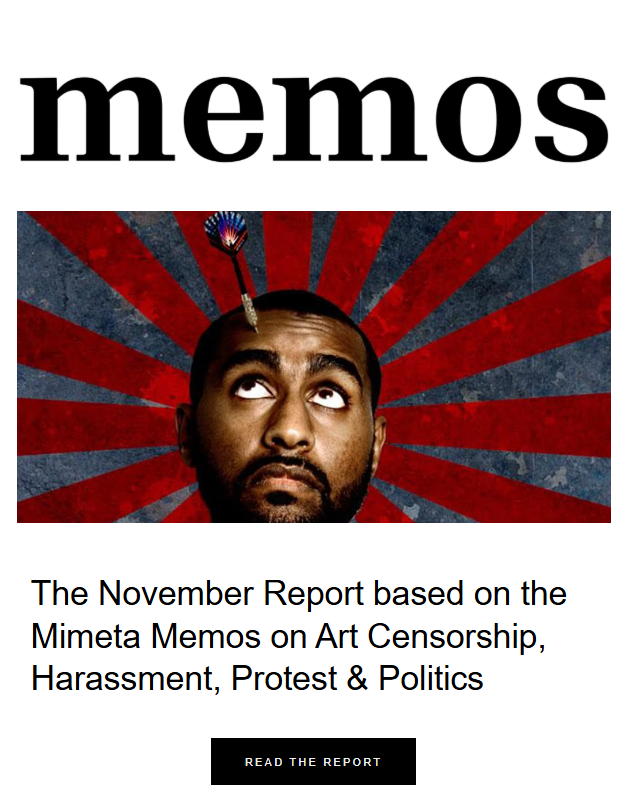
News from Civsy, based on generative AI tools and retrieval-augumented real time data searchIn March 2025, a fashion show at the Grand Millennium Hotel in Basra, Iraq, transformed from a celebration of creativity into a flashpoint for ideological confrontation. The event, led by Iraqi-British designer Soha Al-Tamimi, featured a collection inspired by Basra’s traditional aesthetics, reimagined through a modern European lens. The show symbolized a rare moment of openness and cultural assertion in a region where artistic expression is often constrained by political and religious sensitivities. Yet within hours, social media channels linked to local militia factions began circulating denunciations, branding the event “immoral” and “foreign-influenced.” These statements quickly escalated into direct threats against the organizers and participants, forcing some to retreat from public view.
Cultural Revival Meets Moral Policing
Basra, long regarded as Iraq’s cultural heart, has experienced a steady erosion of public artistic life. The fashion show was intended to reanimate that heritage, presenting fashion as a medium of dialogue between tradition and modernity. For Al-Tamimi, whose work bridges diasporic identity and local memory, this was both a homecoming and a cultural statement. However, the backlash exposed how moral policing continues to serve as a tool of social control in post-conflict Iraq.
Armed groups and affiliated media outlets positioned themselves as defenders of cultural purity, portraying the show as a Western invasion of Iraqi values. This rhetoric mirrors other recent episodes where concerts, art exhibitions, and theater performances were attacked for allegedly violating cultural or religious norms. Such campaigns rely heavily on social media ecosystems, where online denunciation rapidly translates into offline intimidation. The absence of state intervention reinforces the perception that moral authority lies not with public institutions but with non-state actors who dictate what is socially acceptable.
Informal Censorship and Security Vacuum
This case highlights the informal censorship mechanisms that have taken root across Iraq’s cultural landscape. Unlike state-led restrictions, these are enforced through social coercion, digital harassment, and the looming threat of armed reprisal. Artists, particularly women and those engaging with contemporary forms, operate in an atmosphere of surveillance and fear. While Iraq’s Constitution protects freedom of expression, practical enforcement remains weak in regions where militia influence persists. The state’s silence, combined with a fragmented security environment, has created a vacuum that armed factions readily fill with their own moral agendas.
The Gendered Dimension of Artistic Repression
The Basra fashion show also reveals how gender plays a central role in cultural repression. Events featuring women in public and creative capacities are prime targets for moral backlash. Female artists face compounded risks: not only for challenging aesthetic conventions but for transgressing gender boundaries defined by patriarchal and religious norms. This gendered hostility turns artistic expression into a site of political contestation, where women’s visibility itself becomes a provocation.
A Test for Iraq’s Cultural Future
The targeting of Al-Tamimi’s show is not an isolated act but part of a continuum of coercion that threatens Iraq’s fragile cultural recovery. For cultural practitioners in Basra, it stands as a warning that creativity remains vulnerable to militarized ideology. Protecting artistic freedom requires more than legal guarantees, it demands active state protection, solidarity among artists, and international advocacy. In a society still rebuilding from decades of conflict, reclaiming the space for cultural life is as urgent as reconstructing physical infrastructure. The resilience of Iraq’s artists may define whether the country’s rebirth includes freedom of imagination—or a return to silence.
References:
In March 2025, a Basra fashion show by Iraqi-British designer Soha Al-Tamimi, meant to celebrate tradition through modern design, became the target of armed threats from militia factions. The backlash turned a cultural event into a confrontation over morality, identity, and the right to artistic expression.
This Mimeta Memos feature explores how informal censorship, moral policing, and gendered intimidation continue to shape Iraq’s cultural space. It asks a crucial question: Who decides what art is permissible when non-state actors enforce their values through fear?
#ArtisticFreedom #Iraq #Basra #FreedomOfExpression #CulturalRights #HumanRights #MENA #Censorship #ArtistsUnderThreat #MimetaMemos