Read the 6 thematic reports drawn from 45 selected Mimeta Memos on Censorship, Harassment, Protest & Politics (Nov. 2025).
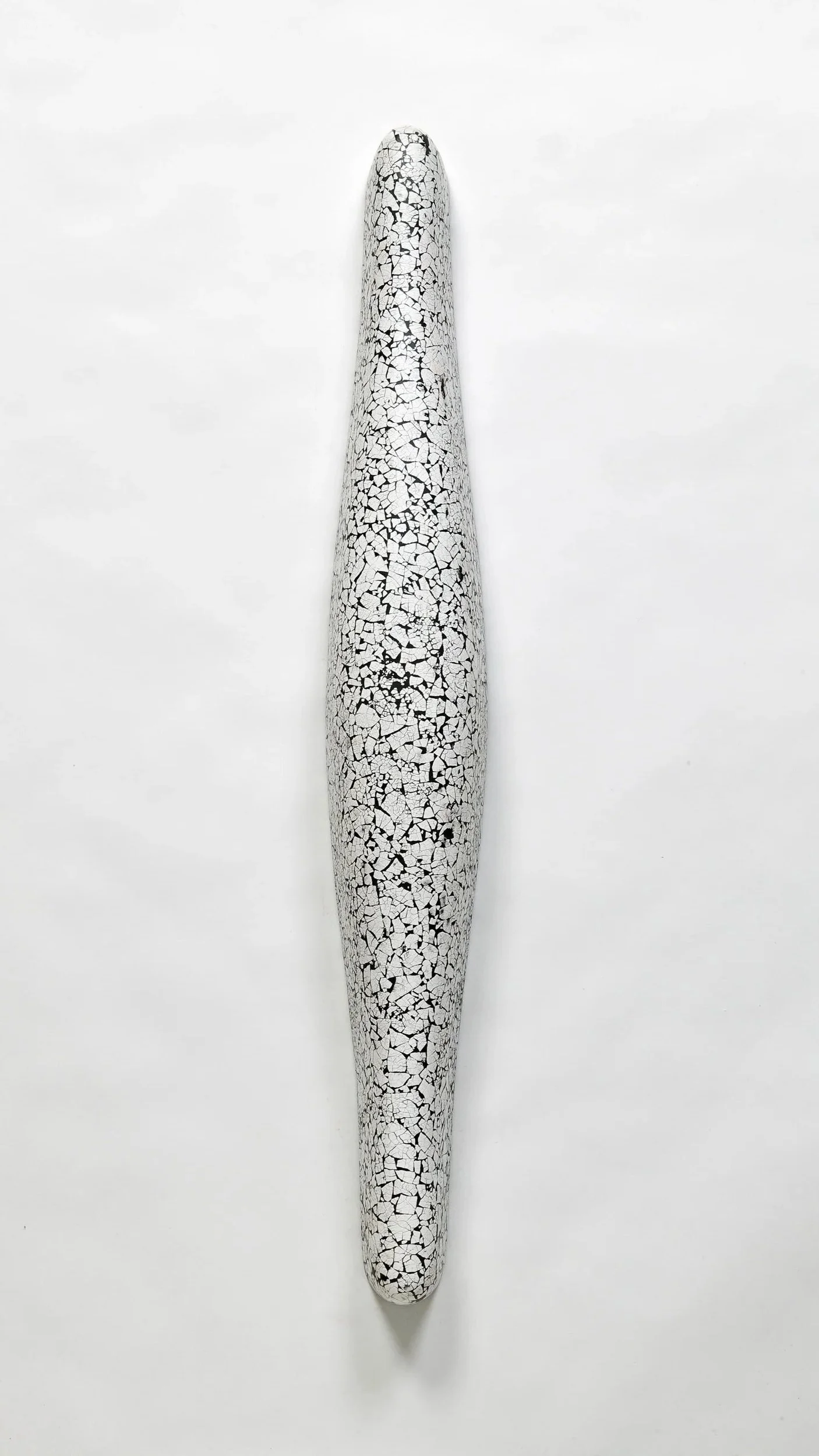
Object in the work “Score for a longer Conversation” by Bård Breivk.
Fourtyfive of the censorship cases published on Mimeta Memos have been analyzed by an AI-powered platform used for monitoring violations of artistic freedom. Instead of only summarizing text, it looks at meaning and context, using word sense disambiguation to understand sensitive, political, and legal terms correctly in multiple languages. It also performs relationship extraction, identifying who did what, where, and when in each case, so that actors, events, places, and timelines can be connected across all 45 incidents.
This makes it possible to discover patterns, see how similar tactics appear in different countries, and group the cases into thematic reports that highlight shared risks and trends.
The findings may be presented in interactive dashboards, timelines, and network views that let users move from a broad overview down to individual cases and even specific paragraphs (not shared here). Across the reports, it supports different types of analysis: it describes what has happened, explores why it happened, points to where similar incidents may emerge, and suggests which responses and follow-up actions are most urgent for protecting artistic freedom.
Types of analysis:
Descriptive Analysis: "What has happened?" Structures and compiles documented information from various sources to provide a comprehensive overview of events and their chronology.
Diagnostic Analysis: "Why did it happen?" Seeks to illuminate the underlying causes through connections between causal factors, actors, and context. Helps understand the reasons behind observed events.
Predictive Analysis: "What might happen?" Uses historical data and ongoing signals to provide indications of "what might occur," for example developments in specific risk areas or thematic trends. Supports forward-looking planning.
Prescriptive Analysis: "What actions are recommended?" Goes one step further by pointing to "which actions are recommended" given what has been observed and modeled, for example, which measures, prioritizations, or follow-ups appear most appropriate within a defined decision or policy framework. Enables evidence-based decision-making.
AI generated thematic reports
All reports are drawn from the selection of 45 Memos on art censorship, harassment, protest and politics
Artists in Protest - Cultural Resistance in Democratic Movements:
Contemporary leaderless, youth-driven protest movements eliminate traditional political structures and replace them with artistic expression as primary infrastructure for mobilization, communication, and meaning-making. Artists become primary targets for state suppression precisely because they create the cultural frameworks enabling collective resistance.
DOWNLOADDigital Repression - Social Media, Influencers, and State Control:
Digital platforms, once celebrated as "liberation technology," have become primary venues for 21st-century artistic censorship. Authoritarian states have developed comprehensive digital content frameworks, licensing requirements, content approval processes, surveillance systems, and severe penalties, that preemptively constrain artistic expression before it emerges, achieving suppression more comprehensive than traditional media control.
DOWNLOADArtists Without Borders - Transnational Repression and Exile
Exile no longer guarantees artistic freedom. Contemporary transnational repression extends authoritarian persecution beyond borders through diplomatic pressure, Interpol weaponization, extradition treaty exploitation, surveillance networks, andviolence in third countries. Artistic freedom becomes genuinely global threat requiring international protection systems adequate to coordinated persecution.
DOWNLOADViolence as Censorship - Physical Attacks on Artists:
Violence remains primary mechanism of artistic censorship, particularly underaddressed in international advocacy. Physical attacks eliminate individual artists (through death/permanent injury) and create terror preventing broader artistic communities from resistance. Impunity enables escalation; international attention insufficient for prevention.
DOWNLOADWar and Artistic Freedom - Documenting Conflict
Warfare functions as comprehensive artistic censorship through infrastructure destruction, artist deaths, displacement, andelimination of conditions enabling artistic work. Documentation of conflict becomes particularly dangerous activity as perpetratorsrecognize documentation threatens future accountability.
DOWNLOADMorality Laws and Creative Expression
Religious and cultural morality laws function as multidimensional oppression mechanisms targeting women, LGBTQ+individuals, and religious/ethnic minorities through artistic suppression. Morality rhetoric masks gender-based oppression, LGBTQ+erasure, and minority suppression while appearing to protect cultural values.
DOWNLOADCinema Under Siege - Film and Documentary Censorship:
Film and documentary face particular suppression because cinema's combination of documentation power, aestheticaccessibility, emotional engagement, mass reach, and permanence create comprehensive threat to authorities invested in narrativecontrol. Filmmakers face targeting across multiple mechanisms: legal prohibition, pre-production criminalization, filmmaker assault,distribution obstacles, and geopolitical pressure.
DOWNLOADHow can AI help defend artistic freedom worldwide?
We analyzed 45 real censorship cases using an advanced AI-powered platform that goes far beyond simple text summaries. By understanding meaning, context, and relationships across languages, the system connects who did what, where, and when—revealing patterns across countries and time.
Through descriptive, diagnostic, predictive, and prescriptive analysis, this approach:
✔ Identifies shared censorship tactics
✔ Highlights emerging global risks
✔ Supports evidence-based responses
✔ Strengthens protection strategies for artists
#ArtisticFreedom #Censorship #AIforGood #HumanRights #DataAnalysis #CulturalPolicy #FreedomOfExpression #DigitalInnovation