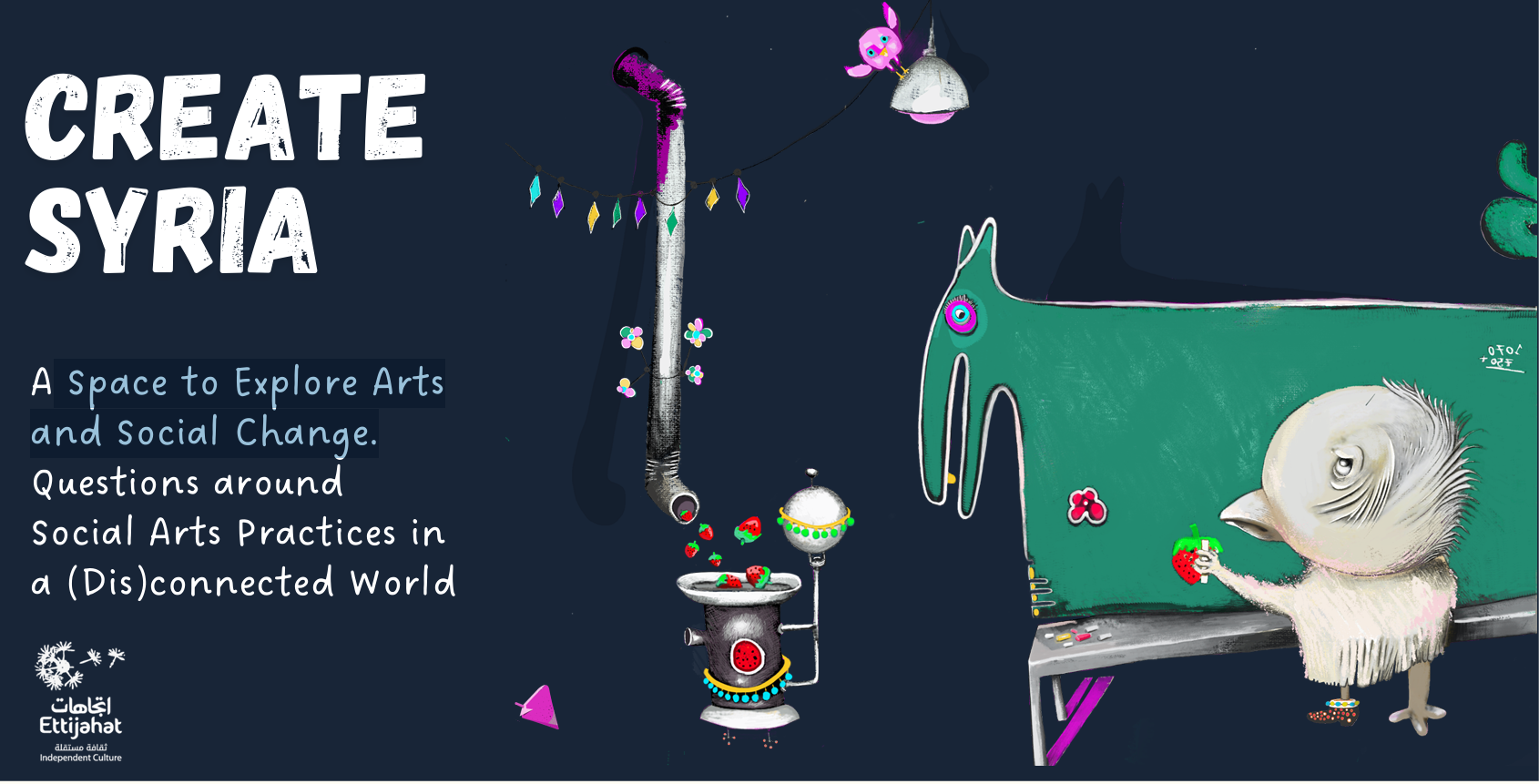
Create Syria, a collaboration between Ettijahat – Independent Culture and the British Council, has released a new report and toolkit supporting Syrian artists working in exile and in crisis‑affected communities. The publication distils years of community‑based artistic practice into practical guidance for artists and cultural actors who use art to strengthen social cohesion, resilience and freedom of expression
Mimeta's January 2026 analysis reveals an unprecedented crisis in artistic freedom: 21 artists killed in Iran's month-long crackdown, TikTok's ownership transfer enabling infrastructure-level censorship affecting 170M+ users, and 44 documented cases across 27 countries. The Middle East accounts for 43% of cases, with religious justifications in 36%. Despite this escalation, resistance persists, Kenya overturned film bans, Lebanese artists performed under threats, and Australian boycotts sparked institutional crisis.
BOOK: In Art against Artillery: Voices of Resilience, Ukrainian journalist Olha Volynska documents how artists, musicians and theatre makers continue to create under bombardment and displacement. The book reveals culture as both survival and resistance, showing how stages, galleries and rehearsal rooms become frontline spaces for defending memory, truth and the right to exist as a people.
Mimeta’s December 2025 reporting focuses on the Middle East and North Africa, revealing how artistic life is increasingly constrained by overlapping systems of state power, religious authority and informal enforcement. From disappearances and arrests to quiet bans and moral campaigns, artists across the region face repression that is often unwritten yet deeply effective, shaping what can be seen, heard and performed, and who is allowed to appear in public cultural life.
Posted
CategoriesCensorship in Arts, Censorship MENA, Censorship SWANA, Middle East, Mimeta, North-Africa, Reports
UK arts charity Queercircle has documented how trustees and senior leaders across England’s cultural sector are quietly restricting Palestinian artistic programming. By rebranding Palestinian shows as “contentious” and shifting them into closed, invitation‑only formats, institutions are building a hidden system of structural suppression that keeps Palestinian perspectives out of the public cultural sphere
A new report has brought grim clarity to Sudan’s ongoing war, confirming that more than fifty-five artists have been killed since fighting erupted in 2023. The African Centre for Justice and Peace Studies (ACJPS) released the findings in its November 26 publication, "Tears of Guitars", marking the first verified account of cultural casualties in the conflict. It paints a devastating portrait of how Sudan’s artistic community, once a cornerstone of civic identity and resilience, has become a deliberate target in a war shaped by fragmentation, impunity, and the battle for national memory.
45 of the censorship cases published on Mimeta Memos have been analyzed by an AI-powered platform used for monitoring violations of artistic freedom. Instead of only summarizing text, it looks at meaning and context, using word sense disambiguation to understand sensitive, political, and legal terms correctly in multiple languages. It also performs relationship extraction, identifying who did what, where, and when in each case, so that actors, events, places, and timelines can be connected across all 45 incidents.
From blasphemy accusations in Bangladesh to algorithmic suppression of Palestinian content, from the criminalization of artistic intention in Turkey to the chilling effect of vague laws in Peru—artistic freedom is no longer a niche issue. It's a barometer for democracy itself. The report shows that when governments arrest musicians for anti-war songs, prosecute filmmakers for planning documentaries, or shut down galleries and festivals, society loses not only cultural expression but also the capacity to challenge power, imagine alternatives, and hold authority accountable.