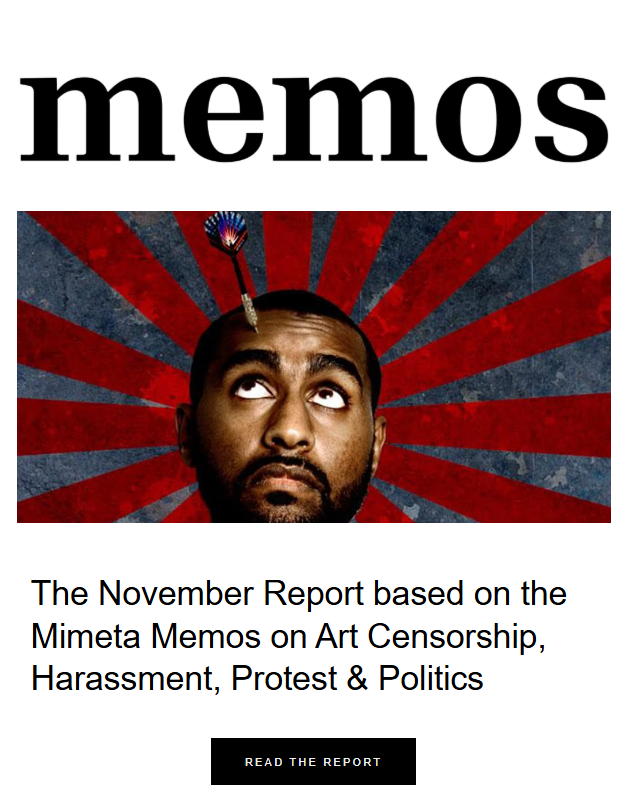
News from Civsy, based on human monitoring, generative AI tools and retrieval-augumented real time data searchIraqi singer Mohammed Abdel Jabbar faces repeated campaigns from conservative actors seeking to restrict live music in southern Iraq
Nasiriyah Concert Proceeds Despite Protests
On November 15, 2025, Iraqi singer Mohammed Abdel Jabbar performed before a large audience in Nasiriyah, Dhi Qar governorate, as part of a promotional event organized by an investment company near the city's new airport. The concert, which featured patriotic songs, drew attendance from provincial council members, a representative of the Prime Minister's office, business figures, and families, signaling a moment of cultural activity returning to a city marked by economic hardship and its central role in the 2019 protest movement.[shafaq]
However, the event triggered immediate controversy. Religious figures, including prominent Shia cleric Sheikh Mohammed Mahdi al-Naseri, condemned the concert as incompatible with Nasiriyah's religious and social identity, arguing that such entertainment events should not be used to promote commercial ventures. Members of religious networks organized protests and called for restrictions on similar gatherings. Despite this pressure, the concert proceeded as scheduled, with organizer and businessman Alaa Jasib publicly rejecting what he called "blackmail" and announcing plans for a week-long festival in 2026.[instagram]
The incident highlighted a growing divide in Nasiriyah between those defending the city's civil, culturally diverse character and conservative forces seeking to impose stricter moral codes on public life. Local activists noted the irony of religious actors focusing on concerts while corruption, water shortages, and deteriorating services remain unaddressed.[shafaq]
Basra Concerts Cancelled Under Threat
Just over a week later, Mohammed Abdel Jabbar faced a new wave of opposition when concerts scheduled for November 27 and 28 at Basra Land venue were announced. Tickets for the first show sold out within hours, prompting organizers to add a second performance. However, religious clerics mobilized protests along Basra's waterfront, chanting slogans denouncing "mixed gatherings, concerts and singing" as contrary to the city's Islamic and Husseini identity.[en.964media]
On November 23, Wisteria Music, the company managing Abdel Jabbar's career, announced the cancellation of both concerts. In a brief statement, the company explained: "We turned off the stage lights after the duty of protection became greater than the desire to celebrate, for songs can return, but lives do not". The organizers cited serious security threats, though there is no indication that local authorities provided or committed to robust protective measures to allow the events to proceed.[shafaq]
A Pattern of Cultural Restriction
These incidents fit within a broader pattern of pressure against entertainment events in Iraq's southern cities. In 2019, the opening ceremony of the West Asia Championship in Karbala provoked outrage when a female violinist performed and women danced, leading the Shiite Endowment to file legal complaints. In 2021, the Babylon International Festival cancelled musical performances following demands from religious students and figures citing the need to preserve the province's "sanctity". More recently, a Halloween gathering at Basra's Grand Millennium Hotel in November 2024 generated protests and calls for the venue's closure.[en.964media]
Cultural rights advocates and members of the Iraqi Artists' Syndicate have warned that allowing informal pressure and threats to dictate which artistic events can occur constitutes a form of de facto censorship, undermining constitutional protections for freedom of expression and pushing Iraq toward cultural isolation.[shafaq]
Cultural Freedom Under Pressure in Southern Iraq
In November 2025, Iraqi singer Mohammed Abdel Jabbar performed successfully in Nasiriyah before families, officials, and cultural figures, despite vocal opposition from religious networks. But when he announced concerts in Basra for late November, the story ended differently.
Following protests by clerics and what organizers described as security threats, the company managing Abdel Jabbar cancelled both Basra shows, stating: "songs can return, but lives do not."
This incident is part of a troubling pattern across Iraq's southern cities since 2019, from Karbala to Babylon to Basra, where informal pressure, threats, and protests have repeatedly shut down concerts and cultural events, even without formal government bans.
Cultural rights advocates warn this constitutes de facto censorship, undermining constitutional protections and pushing Iraq toward cultural isolation.
Read our latest Mimeta Memo on how non-state actors are reshaping the boundaries of artistic expression in Iraq
#ArtisticFreedom #Iraq #CulturalRights #Censorship #MENA #ArtsAndCulture #HumanRights #FreedomOfExpression #CulturalPolicy #Basra #Nasiriyah #Mimeta