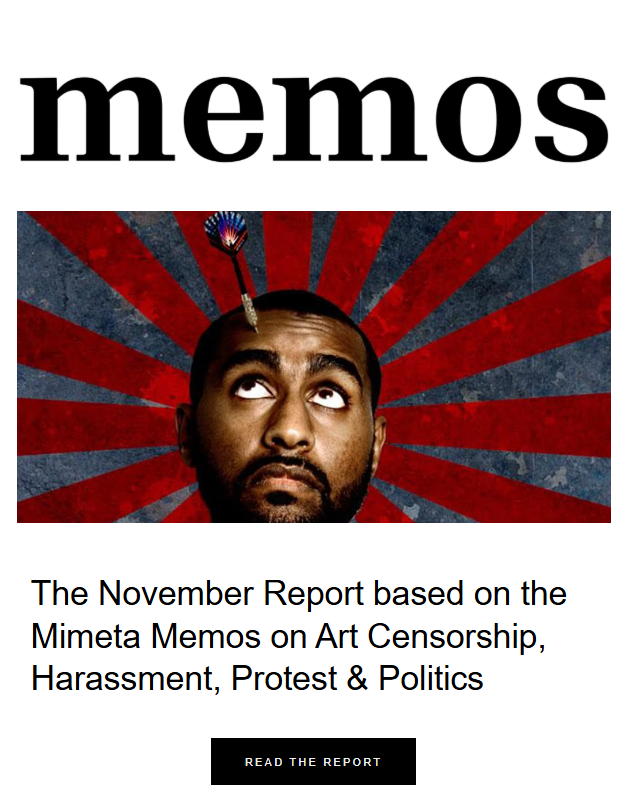
News from Civsy, based on generative AI tools and retrieval-augumented real time data searchOn 31 July 2025, folk singer Omar Khairy was performing at a wedding in his hometown of Al‑Bab, in Syria’s northern Aleppo countryside, when a group of armed men stormed the celebration. In front of guests, they seized Khairy and took him away, presenting themselves as operating in the name of “general security” in the city. Khairy is known locally as a popular wedding and party singer whose repertoire includes traditional folk songs as well as pieces praising former Syrian president Bashar al‑Assad. In opposition‑held northern Syria, such lyrics are widely understood as “tashbih”, loyalist glorification of Assad and his security forces, and carry a heavy stigma among factions that define themselves in opposition to the former regime.
Filmed humiliation and forced performance
On 1 August, videos began circulating online showing Khairy in an unidentified location, surrounded by men in military‑style clothing. He is beaten, insulted, forced to kneel, his head shaved, and his face and torso written and drawn on while the men laugh and record the abuse on their phones. In another video, Khairy is compelled to sing slogans and songs endorsing the ruling local authority while his captors mock him and order specific lines, turning his own voice into an instrument of coercion. The imagery echoes older Syrian patterns of punishing “offending” artists through humiliation, but here it is carried out by non‑state armed actors in an opposition‑held city rather than by Assad’s intelligence services.
Armed groups as cultural police
Human rights monitors and local media attributed the assault to members or affiliates of factions within the Turkish‑backed Syrian National Army and related security structures active in Al‑Bab. The Syrian Interim Government’s Interior Ministry later denied that its official security forces had ordered or carried out the attack, while announcing an internal investigation. At the time of initial reporting, there was no clear public information on whether those filmed abusing Khairy were identified or disciplined. The case illustrates how, in today’s fragmented Syria, armed groups and security bodies in opposition‑held areas claim the authority to police artistic and political expression through ad hoc punishment rather than transparent legal processes. Khairy’s past praise of Assad was treated not as controversial speech to be debated, but as a motive for kidnapping, beatings and ritualised degradation.
Implications for artistic freedom
Observers highlighted this as the first widely documented case since the fall of Assad’s rule in which a Syrian artist was abducted from a performance and physically abused by men invoking “security” specifically because of his alleged loyalties expressed in song. It underscores how folk performers and wedding singers, who traditionally serve as social glue in communal celebrations, now navigate an environment where every lyric can be construed as a political statement with serious consequences. For artistic freedom, the Khairy incident signals that regime change has not translated into consistent protection for cultural workers, but rather into a multiplication of actors capable of punishing them. As long as armed groups act as informal cultural police, and public humiliation circulates virally as a tool of warning, singers and other artists in northern Syria remain exposed to shifting red lines set by competing authorities.
References