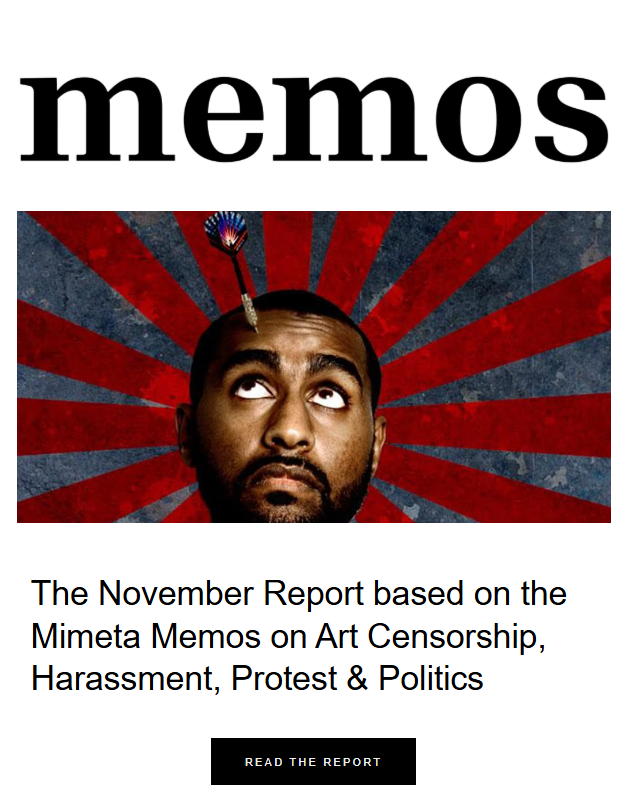
When Pomme d’amour, a satirical short film by Fares Naanaa, was re-released online in 2025, it ignited a wave of outrage over alleged blasphemy. Yet behind the public uproar lay a deeper story , one of political distraction, fear-driven self-censorship, and the rapid erosion of Tunisia’s post-revolutionary creative freedoms.
When journalist Naouel Bizid invited trans activist and performer Khookha McQueer to mark the 100th episode of Deep Confessions Podcast, a show about mental health became a flashpoint for Tunisia’s culture war over queer visibility and freedom of expression.
A groundbreaking Tunisian–Croatian theatre collaboration on migration drew full houses and critical praise, only to be quietly shelved by the Tunisian National Theatre without explanation.
Poet and opposition leader Chaima Issa has become a central symbol of Tunisia’s shrinking civic space. Arrested on 29 November while joining a women’s rights protest in Tunis, she is now serving a 20‑year sentence in the politically driven “Conspiracy Case” and has launched a hunger strike from Manouba Prison, turning her body into a final form of protest against President Kais Saied’s escalating repression.
Posted
In 2025, Tunisian artists, cultural organizations, and independent media face mounting pressure from administrative suspensions, audits, and legal scrutiny. Dream City 2025 continued its program, but the broader arts ecosystem experiences self-censorship, interrupted projects, and heightened risk. Independent media collective Nawaat illustrates the intersection of artistic, journalistic, and civic freedoms under threat in Tunisia today.
Posted
In Tunisia, artists face growing harassment and censorship, yet they continue to reclaim public spaces through creative expression. Ballet dancer Nesrine Ben Arbia performs in historic locations, resisting conservative pressures. Despite threats from extremist groups and restrictive laws, artists persist in challenging societal norms. Initiatives like Street Art in Médenine and the Dream City Festival highlight art’s power to inspire change in Tunisia’s evolving political landscape.
The ZAT (Temporary Artistic Zone) is now transformed into a dynamic multimedia digital magazine. Emerging from the rich tapestry of Dream City Festival and the pioneering efforts of L'Art Rue, ZAT has always been a platform for bold artistic expressions and civic struggles. This innovative edition encapsulates the memorable encounters, dialogues, and collaborations of recent years.