REPORT: SKeyes Center for Media and Cultural Freedom documents systematic targeting of Palestinian journalists, photographers, and artists in December 2025. The Palestinian Journalists Syndicate recorded 99 violations across Palestinian territories, with 48 detention cases in the West Bank alone. Named arrests include writer Sari Arabi (Dec 25), Palestine TV reporter Ahmad Shawar and photographer Bashar Nazzal (Dec 4), and comedian Amer Zahr in Nazareth (Dec 27). Israeli police also raided Haifa's Nayruz Music Institute Christmas performance, arresting three participants.
Egyptian security agents arrested poet and activist Ahmed Douma without a warrant from his Cairo home on January 19, 2026, charging him with "disseminating false news" for posts about imprisoned activist Mohamed Adel. This marks at least the fifth case against Douma since his August 2023 presidential pardon, following nearly a decade in prison. The UN Working Group on Arbitrary Detention previously deemed his detention arbitrary. Weeks before the arrest, he was prevented from boarding a flight to Lebanon.
Posted
Iranian security forces killed at least 21 artists and cultural workers during a month-long crackdown on nationwide protests that began January 8, 2026. The deaths occurred across multiple cities as government forces opened fire on demonstrators, turning what Amnesty International called "the deadliest period of repression by the Iranian authorities in decades" into a systematic killing of photographers, musicians, actors, and filmmakers alongside thousands of other civilians.
COMMENT: On January 22, 2026, TikTok handed American control to a consortium of Larry Ellison's Oracle and an Abu Dhabi state fund called MGX. Ellison has given $26 million to Israel's military since 2014. MGX is chaired by the UAE's national security adviser, a country that criminalizes dissent, tortures prisoners, and surveils residents. The White House called it a national security win. For others it's a consolidation of power designed to silence. The First Amendment and Section 230 now shield these new gatekeepers from accountability.
BOOK: In Art against Artillery: Voices of Resilience, Ukrainian journalist Olha Volynska documents how artists, musicians and theatre makers continue to create under bombardment and displacement. The book reveals culture as both survival and resistance, showing how stages, galleries and rehearsal rooms become frontline spaces for defending memory, truth and the right to exist as a people.
Uganda’s 2026 elections are unfolding under a deliberate information blackout. A nationwide internet shutdown, assaults on journalists, and orders for rights groups to halt work have gutted independent scrutiny of the vote. The combined pressure on media, NGOs and cultural actors exposes a deepening digital authoritarianism that directly threatens civic and artistic freedoms in Uganda.
Myanmar’s artists, musicians and performers have become voices in resisting the junta’s rule, both inside the country and in exile. Through satire, underground music scenes and documentary projects, they document abuses, support mutual‑aid networks and challenge propaganda. Despite arrests, executions, citizenship revocations and harsh new laws, these creative communities continue to carve out rare spaces for honest expression and solidarity.
Kazakhstan is tightening legal pressure on artists, comedians and satirists, using “petty hooliganism,” “incitement of hatred” and new “LGBTI propaganda” provisions to police creative work. Recent cases against a rapper, stand‑up comics, a choreographer and a satirical blogger have turned social media into an early‑warning system, as artists frame each arrest as part of a broader crackdown.
Bangladesh: A youth-led “March for Justice” set out from Dhaka’s Shahbagh on 6 January, demanding accountability for the killing of activist, writer and teacher Sharif Osman Hadi. Led by Inqilab Mancha, the march tied Hadi’s assassination to wider struggles over democracy, Indian hegemony and “cultural fascism,” as protesters vowed to escalate their campaign unless planners, collaborators and cross‑border protectors of his killers are brought to justice
During the 2022 Woman, Life, Freedom protests, Iranian artists became cultural icons—over 100 arrested or prosecuted for their activism. Today, with leaked government documents exposing a secret "Celebrity Task Force" and systematic work bans, prominent creatives have gone underground. The December 2025–January 2026 uprising shows artists participating through encrypted channels and anonymous work rather than public visibility. Yet the cultural infrastructure they built—from the Grammy-winning anthem "Baraye" to protest imagery—remains the emotional backbone of resistance, while the fates of 2022's imprisoned and exiled figures continue to shape how the movement unfolds.
Kurdish violinist Nima Mandoumi, 23, was seized by Iranian intelligence in Alborz province on 9 December 2025 and has since disappeared into incommunicado detention. His arrest reportedly followed an international concert in Armenia involving Israeli musicians, underscoring how Iran’s security apparatus is criminalising cross‑border artistic collaboration and using enforced disappearance to silence Kurdish cultural voices
When Pomme d’amour, a satirical short film by Fares Naanaa, was re-released online in 2025, it ignited a wave of outrage over alleged blasphemy. Yet behind the public uproar lay a deeper story , one of political distraction, fear-driven self-censorship, and the rapid erosion of Tunisia’s post-revolutionary creative freedoms.
When journalist Naouel Bizid invited trans activist and performer Khookha McQueer to mark the 100th episode of Deep Confessions Podcast, a show about mental health became a flashpoint for Tunisia’s culture war over queer visibility and freedom of expression.
On 15 December 2025, a Moscow court designated feminist punk collective Pussy Riot an “extremist organisation,” banning all its activities across Russia after a closed-door hearing. The ruling vastly expands criminal liability for referencing the group, sharing its music or displaying its symbols. Human rights groups warn the decision marks a new stage in Russia’s use of extremism laws to erase artistic dissent, cultural memory and political opposition.
Poet and opposition leader Chaima Issa has become a central symbol of Tunisia’s shrinking civic space. Arrested on 29 November while joining a women’s rights protest in Tunis, she is now serving a 20‑year sentence in the politically driven “Conspiracy Case” and has launched a hunger strike from Manouba Prison, turning her body into a final form of protest against President Kais Saied’s escalating repression.
Posted
A new report has brought grim clarity to Sudan’s ongoing war, confirming that more than fifty-five artists have been killed since fighting erupted in 2023. The African Centre for Justice and Peace Studies (ACJPS) released the findings in its November 26 publication, "Tears of Guitars", marking the first verified account of cultural casualties in the conflict. It paints a devastating portrait of how Sudan’s artistic community, once a cornerstone of civic identity and resilience, has become a deliberate target in a war shaped by fragmentation, impunity, and the battle for national memory.
As Uganda heads toward the 2026 elections, opposition‑aligned musicians are being drawn into an intensifying crackdown marked by arbitrary arrests, house‑arrest‑style sieges and shootings at rallies. From repeated cordons around Bobi Wine’s home to the arrest of Nubian Li and the shooting of Omukunja Atasera, the state is treating music as a security threat rather than a space for artistic expression
Posted
Palestinian documentary filmmaker Abdallah Motan has been held in Israeli administrative detention since January 2025 without charges or trial. Known for his internationally recognized work, including Deferred Reclaim, Motan’s detention highlights the suppression of Palestinian cultural voices. Despite international calls for his release and solidarity screenings of his films, his status remains unconfirmed, raising urgent questions about freedom of expression and the rights of artists under occupation
Renowned Iranian filmmaker Jafar Panahi, 65, has been sentenced in absentia by Tehran’s Revolutionary Court to one year in prison, a two‑year travel ban and a ban on political and social group membership for alleged “propaganda activities against the system.” The ruling comes as his Cannes‑winning film “It Was Just an Accident” garners major international awards and renews focus on Iran’s assault on artistic freedom.
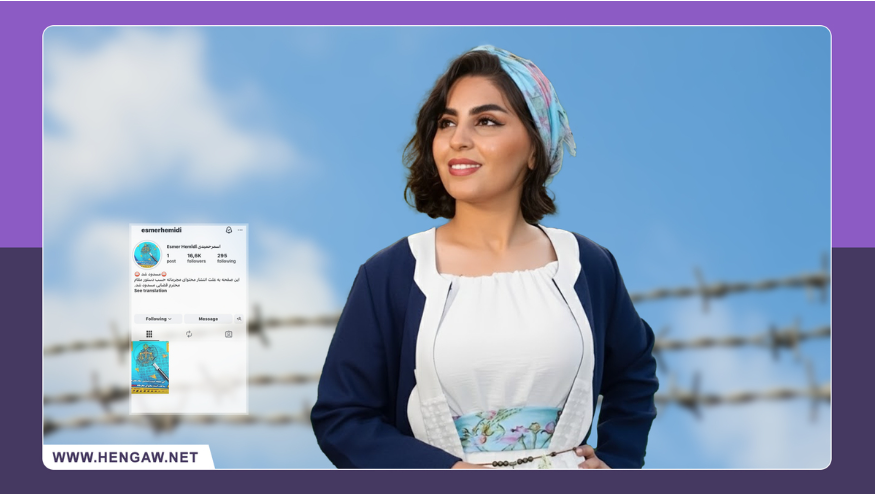
Screenshot from Hengaw.net
Iranian security forces arrested young Kurdish singer and cultural activist Asmar Hamidi during a raid on her family home in North Khorasan, transferring her to an undisclosed location without charges. Authorities later blocked her social media accounts, erasing her artistic platform. Her case reflects escalating pressure on women artists, Kurdish identity, and all who use culture for peaceful expression. Following the “Woman, Life, Freedom” protests, musicians face intimidation and prosecution under vague security charges.