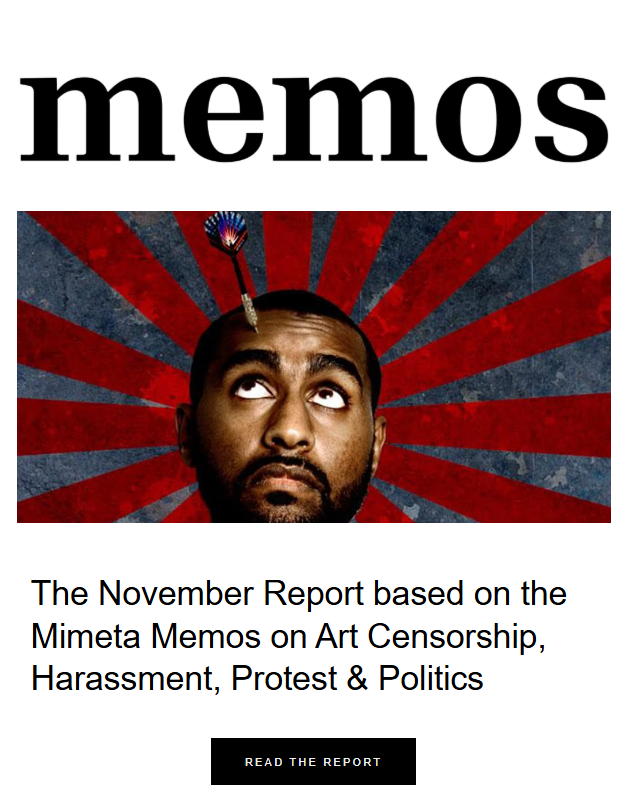
In February 2025, Moroccan artist Khadija Tanana became the latest target of state censorship when her artwork, Hand of Fatima, was forcibly removed from the Tetouan Centre of Modern Art.
Artistic freedom in Jordan faces significant challenges, with artists across various fields—spanning journalism, street art, music, and filmmaking—dealing with censorship, harassment and legal action, making an environment where creative expression is increasingly constrained
The violent pro-monarchy protests in Nepal have claimed the life of journalist Suresh Rajak, a dedicated photojournalist with Avenues Television, after demonstrators set fire to a building he was reporting from in Kathmandu.
Arrested in 2018 for criticizing corruption, Egyptian poet Galal El-Behairy has endured torture, harsh prison conditions, and prolonged detention. His case exemplifies Egypt’s escalating crackdown on artistic freedom.
In Tunisia, artists face growing harassment and censorship, yet they continue to reclaim public spaces through creative expression. Ballet dancer Nesrine Ben Arbia performs in historic locations, resisting conservative pressures. Despite threats from extremist groups and restrictive laws, artists persist in challenging societal norms. Initiatives like Street Art in Médenine and the Dream City Festival highlight art’s power to inspire change in Tunisia’s evolving political landscape.
Iranian filmmakers face significant challenges due to strict censorship, which limits creative freedom and forces many to produce films in secret or leave the country. Nina Zarabi's story highlights these challenges
The U.S. Senate Judiciary Subcommittee on the Constitution held a hearing on March 25, 2025, addressing concerns over censorship and threats to free speech.
The White House's ban on AP raises serious First Amendment concerns, setting a dangerous precedent for press freedom and government control over media access.
Hamdan Ballal, co-director of "No Other Land," was assaulted by Israeli settlers and detained by soldiers in the West Bank
The Mahmoud Khalil case has become a focal point in the ongoing controversy surrounding Columbia University, free speech, and federal funding
X blocks opposition accounts amid Turkey protests, raising free speech concerns.
The Albanian government’s decision to ban TikTok for a year has led to public outrage and protests. Officials cite youth protection, while critics argue it’s a move to control information ahead of elections.
Arts dialogue highlights culture’s role in Syria’s future amid ministry debates and creative economy talks
The Georgian government has been accused of detaining, assaulting, and fabricating charges against prominent cultural figures in a bid to silence dissent and consolidate authoritarian control.
Recognizing champions of human rights and democracy—submit your nomination by 1 February 2025.
For første gang hedrer Raftoprisen en kunstner. Budskapet er at kunst kan være et viktig verktøy i kampen mot autoritære regimer. Anerkjennelsen av Otero Alcántaras arbeid minner oss om at kunstneriske rettigheter er menneskerettigheter – og de må beskyttes
Posted
CommentPost a comment
We are happy to announce that the Rafto Prize 2024 has been awarded to Cuban artist and activist Luis Manuel Otero Alcántara, in recognition of his courageous resistance to authoritarianism through art. Luis Manuel Otero Alcántara is the first Rafto Prize laureate whose activism is rooted in artistic expression. His work stands as a profound example of how art can be a vital tool in the fight for artistic rights and freedom of expression, making this year’s award especially meaningful within the arts sector.
2023 was marked by severe conflicts, such as those in Sudan and Gaza, alongside political tensions fueled by extremism and threats. It was a perilous year for anyone voicing opinions on war, politics, challenging tradition, or critiquing the powerful—artists were no exception.
Our partners network building is many-faceted. They serve professionalism in a field. They are extensive alumina networks based on participation in capacity building programs within the sector. They are kept together by a common interest in upholding an arts sector despite migration and re-location from a broken homeland. They are served by diaspora-based entities that works to uphold and foster critical voices at home ground. They are part of international alliances for the protection of artist at risk. As examples. A new tendency is the focus from the arts and culture sector to engage in cross-sectorial networks, and they are organizing locally, regionally and on an international level, implying a shift from policy and advocacy networks to socially engaged networks where purposes are within the field of (social and political) change.
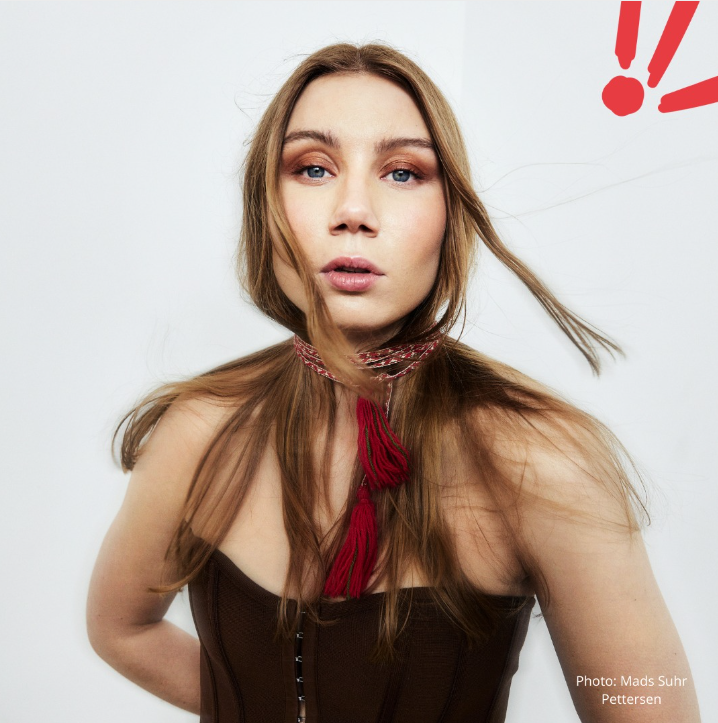
- I can feel the solidarity every time I meet another artist. Its rather a lack of organised solidarity, its not formalised into anything
Ella Marie Hætta Isaksen, panellist at the Wexfo Brakout session, Navigating the Pressures: Protecting Artistic Freedom in a Complex Landscape. Photo From the facebook album of Wexfo (link)
The presumption of freedom of expression being media, rather than art. The session focused on how artistic rights and freedom can take a larger space within this rights environment. Why are there poor protection networks for artists, what can artists learn from journalists and their safety structures..
This breakout session at Wexfo 2024 was collaboratively prepared by NOPA, Mimeta, and Fritt Ord, representing the collective efforts of the event. Approximately 30 participants gathered for this seminar, which was structured as a panel discussion followed by an interactive workshop.