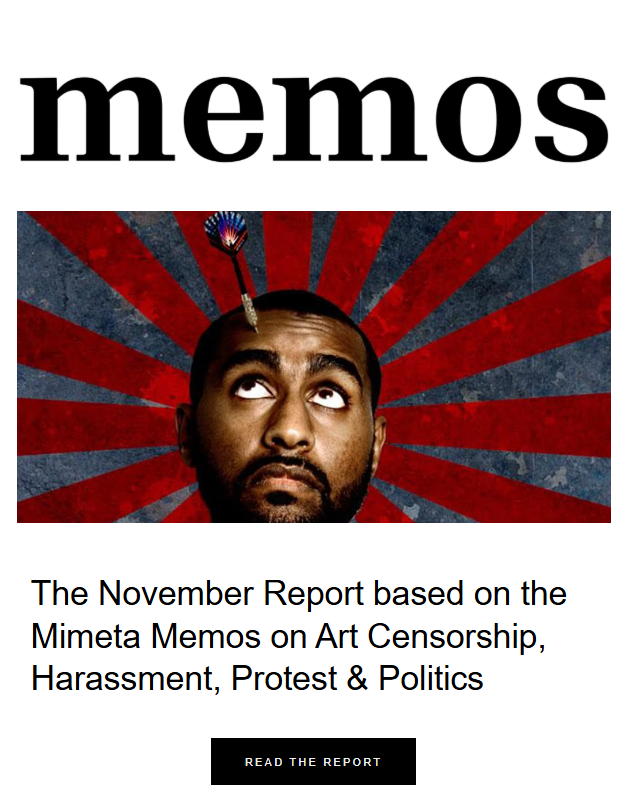
REPORT: SKeyes Center for Media and Cultural Freedom documents systematic targeting of Palestinian journalists, photographers, and artists in December 2025. The Palestinian Journalists Syndicate recorded 99 violations across Palestinian territories, with 48 detention cases in the West Bank alone. Named arrests include writer Sari Arabi (Dec 25), Palestine TV reporter Ahmad Shawar and photographer Bashar Nazzal (Dec 4), and comedian Amer Zahr in Nazareth (Dec 27). Israeli police also raided Haifa's Nayruz Music Institute Christmas performance, arresting three participants.
Egyptian security agents arrested poet and activist Ahmed Douma without a warrant from his Cairo home on January 19, 2026, charging him with "disseminating false news" for posts about imprisoned activist Mohamed Adel. This marks at least the fifth case against Douma since his August 2023 presidential pardon, following nearly a decade in prison. The UN Working Group on Arbitrary Detention previously deemed his detention arbitrary. Weeks before the arrest, he was prevented from boarding a flight to Lebanon.
Posted
Cabaret Paulikevitch in Beirut became a flashpoint in 2025, when Lebanese dancer and artivist Alexandre Paulikevitch faced threats and incitement from both Christian and Islamist extremists over his baladi performance. Despite calls to ban the show and online campaigns depicting his work as “perversion”, the September 11 cabaret went ahead to a sold-out audience at Metro Al-Madina, turning the stage into a rare moment of public resistance for queer-coded dance and artistic freedom in Lebanon
Posted
Laylat al‑Iḥsās (“Night of Emotion”) in Tripoli on 30 August 2025 became a focal point of debate over concerts during the Gaza war. A day before the show, Hizb al‑Tahrir activists and self‑described “defenders of Gaza and religion” marched against the event, backed by a statement from the Association of Muslim Scholars in Lebanon. Despite pressure, the concert went ahead under heightened security and without reported incidents
Lebanon’s satirical TV series “Marhaba Dawle” has become a key test case for artistic freedom, after the Ministry of Interior sought to ban it, producer Firas Hatoum was interrogated by security forces, and Christian and Muslim institutions filed complaints over alleged insults to religion. The legal setbacks for the state, and rising moral panic, reveal how courts, security bodies and religious authorities are reshaping the space for televised satire.
In April 2025, Lebanese artist Hanane Hajj Ali performed her acclaimed play “Jogging – Theatre in Progress” at the Lebanese International University in Saida, to a calm audience and open discussion. Days later, the university condemned the show under moral and religious pretexts, following an online smear campaign that weaponised decontextualised video clips and threats. Artists and cultural workers mobilised in response, framing the case as a dangerous precedent for artistic freedom in Lebanon
Posted
Lebanon's General Security Censorship Bureau delayed the theatrical release of the acclaimed anthology film "Disorder" in July 2025, conditioning its screening license on removal of a 20-second scene depicting security force violence against protesters during the October 2019 uprising. Director Lucien Bourjeily, facing a binary choice between censorship or complete ban, reluctantly complied to protect the work of three other filmmakers. The incident underscores Lebanon's continued suppression of artistic documentation of state violence and exemplifies the extrajudicial nature of the country's film censorship system.
The brief detention of Syria Prisons Museum founder Amer Matar in September 2025 shows how fragile the space remains for documenting torture and disappearance in post‑Assad Syria. By targeting a virtual museum that uses 3D technology to reconstruct prisons, authorities signalled that immersive memory projects and digital archives of abuse remain under suspicion.
When Syrian writer Morris Ayek described a “second phase” of Syria’s civil war and used the term “Sunni fascism” in an August 2025 essay for Al Jumhuriya, he triggered a wave of online intimidation. The phrase was torn from its analytical context and recirculated on social media, where Ayek and the platform were attacked for opening a difficult debate on sectarian power and minority vulnerability in post‑Assad Syria.
The sudden cancellation of Malek Jandali’s “Syrian Symphony for Peace” tour in December 2025 has exposed how cultural policy, religious authority and the politics of martyrdom intersect in post war Syria. The decision to drop his Homs Clock Square concert at the last minute, followed by conflicting official and religious justifications, reveals how fragile guarantees remain for artists using public space to confront traumatic memory.
Iraqi singer Mohammed Abdel Jabbar successfully performed in Nasiriyah on November 15, 2025, despite opposition from religious figures who condemned the concert as incompatible with the city's religious identity. However, just over a week later, concerts scheduled in Basra were cancelled after the organizing company received threats. The cancellation followed protests by clerics denouncing entertainment events, continuing a pattern of pressure against cultural activities in southern Iraq since 2019.
Posted
UK-based Syrian comedian and journalist Malath Alzoubi faced a wave of online threats after a July 2025 stand-up clip satirising Syria’s new leader Ahmad Al‑Sharaa and HTS’s history of dismantling infrastructure. Weeks after the video, a coordinated harassment campaign across Instagram, X and Facebook used homophobic slurs and location-based threats, exposing how Syrian artists in exile remain vulnerable to transnational digital intimidation.
Iraq’s 2025 Husseini Chant Festival shows how religious authority can curb cultural policy without legal bans. After the Ministry of Culture introduced instrumental music into Arbaeen rituals, a clerical backlash led by Ali Al‑Talqani sparked online outrage and institutional hesitation, revealing how informal pressure and fear of controversy drive self‑censorship in Iraq’s cultural sector.
Posted
CommentPost a comment
In May 2025, a governance crisis shook the Syrian Artists’ Syndicate when four council members challenged newly appointed head Mazen Al‑Natour over unilateral decisions and lack of accountability. Their attempt to withdraw confidence was rejected as “illegal,” followed by their removal from the council. The episode exposes how post‑Assad institutions risk replicating old authoritarian patterns instead of protecting artistic freedom
Indian films are facing growing, selective scrutiny in Gulf states, especially when they depict India–Pakistan tensions, Kashmir, or LGBTQIA+ lives. Recent bans on “Dhurandhar”, “Sky Force”, and the Malayalam film “Maranamass” show how geopolitical sensitivities and moral norms shape access to cinema for South Asian audiences across the region
Egyptian authorities are widening their morality crackdown to TikTok and other short video platforms, using vague charges of indecency and violating family values to detain comedians, belly dancers and youth creators. The arrests of high visibility figures like Mohamed Abdelaty show how digital platforms have become a new front line for tightening control over artistic and everyday expression in Egypt.
Mimeta’s December 2025 reporting focuses on the Middle East and North Africa, revealing how artistic life is increasingly constrained by overlapping systems of state power, religious authority and informal enforcement. From disappearances and arrests to quiet bans and moral campaigns, artists across the region face repression that is often unwritten yet deeply effective, shaping what can be seen, heard and performed, and who is allowed to appear in public cultural life.
Posted
CategoriesCensorship in Arts, Censorship MENA, Censorship SWANA, Middle East, Mimeta, North-Africa, Reports
Israeli intelligence forces raided Jerusalem’s Palestinian National Theatre, Al-Hakawati, during the children’s musical “Dreams Under the Olive Trees,” ordering families to evacuate within five minutes. The shutdown of a licensed, internationally funded cultural event has drawn condemnation from theatre groups, human-rights advocates and media outlets, who say it exemplifies the broader repression of Palestinian cultural life and children’s rights in Jerusalem.
When Syria’s pioneering stand‑up collective Styria cancelled its shows in Hama during the country’s first Comedy Festival, co‑founder Malke Mardinali warned that “every word is being scrutinized and reports are being filed.” The incident captures how surveillance, informal pressure, and fear of denunciation still define the limits of artistic expression in Syria’s fragile post‑war cultural opening
In August 2024, Egyptian syndicates suspended Lebanese singer Haifa Wehbe’s work permits over contractual disputes, briefly restoring them later that month. In March 2025, the Musicians’ Syndicate escalated the case by banning her from performing, after a complaint from her former manager. The Administrative Court finally overturned the ban in December 2025, closing a 16‑month battle with major implications for artistic freedom